

For the last year and a half, I’ve sat with dozens of people at the beginning of their burnout recovery. Different jobs, different lives, but the same story underneath. A body that finally said no. A mind that couldn’t switch off. A quiet feeling that something had to change, but no idea where to start.
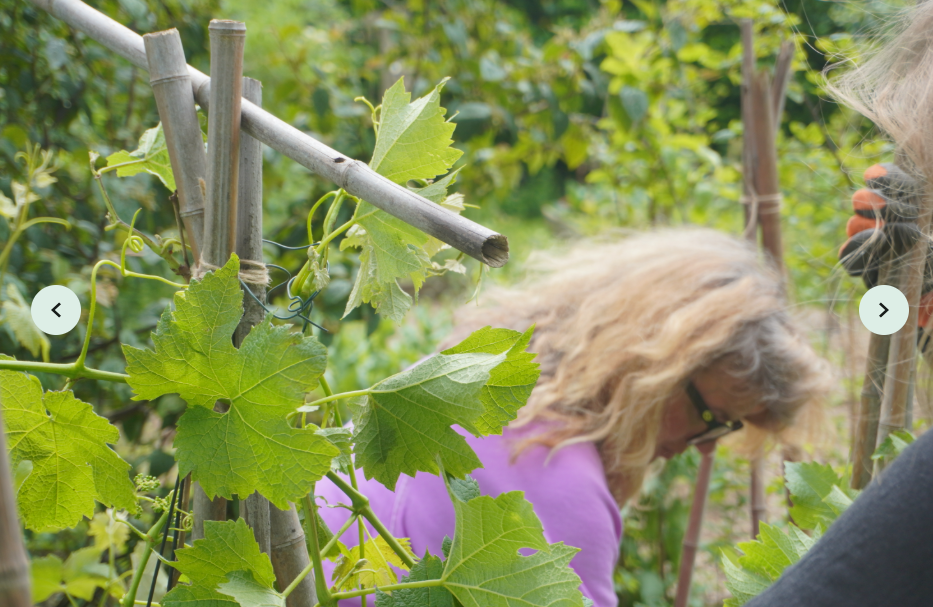
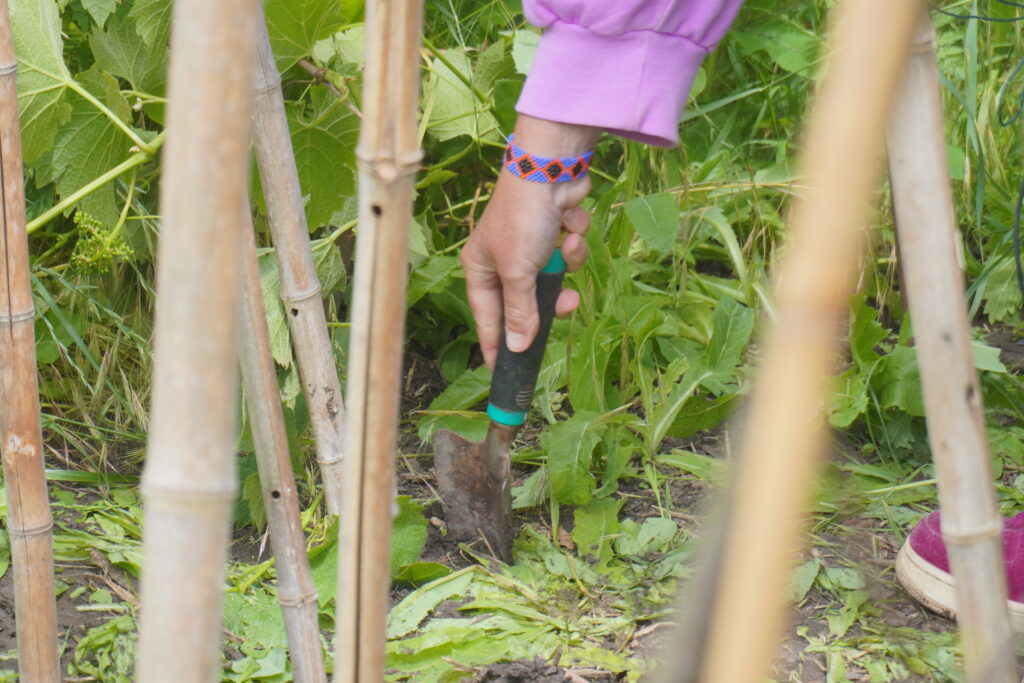
What I’ve learned is that recovery rarely starts with a big breakthrough. It starts with something small. Hands in the soil. A slower breath. A moment of noticing a bird. Garden therapy works because it meets people exactly there, in the small and the real, rather than asking them to think their way out of something that lives in the body.
This article is about that work. Three things, really. How garden therapy helps prevent and heal burnout, and why the science backs up what so many of us feel instinctively. My own path back to myself through soil and seasons, and how that path led me here. And the first results of a pilot we’re running with gemeente Hoorn that I’m genuinely moved by.
Why the soil works when talk therapy alone sometimes can’t reach
Burnout is not simply about doing too much. It’s what happens when stress goes unprocessed for too long, when the nervous system never gets the signal that it’s safe to rest.
This is where garden therapy earns its place. Time in nature with your hands in the earth activates the parasympathetic nervous system. Heart rate slows. Cortisol drops. You are pulled out of your head and back into your body, into the here and now, which is the only place real healing actually happens.
There’s even a detail I love sharing with clients: soil contains a microbe called Mycobacterium vaccae, which enters through the skin and can trigger serotonin production in the brain. Nature’s own anti-depressant, with no side effects.
Research has shown that guided time in nature has a measurable effect on stress, anxiety, and depression. With mental healthcare waiting lists stretching longer every year, garden therapy is proving itself as a serious complement, or for some people a genuine alternative, while they wait.
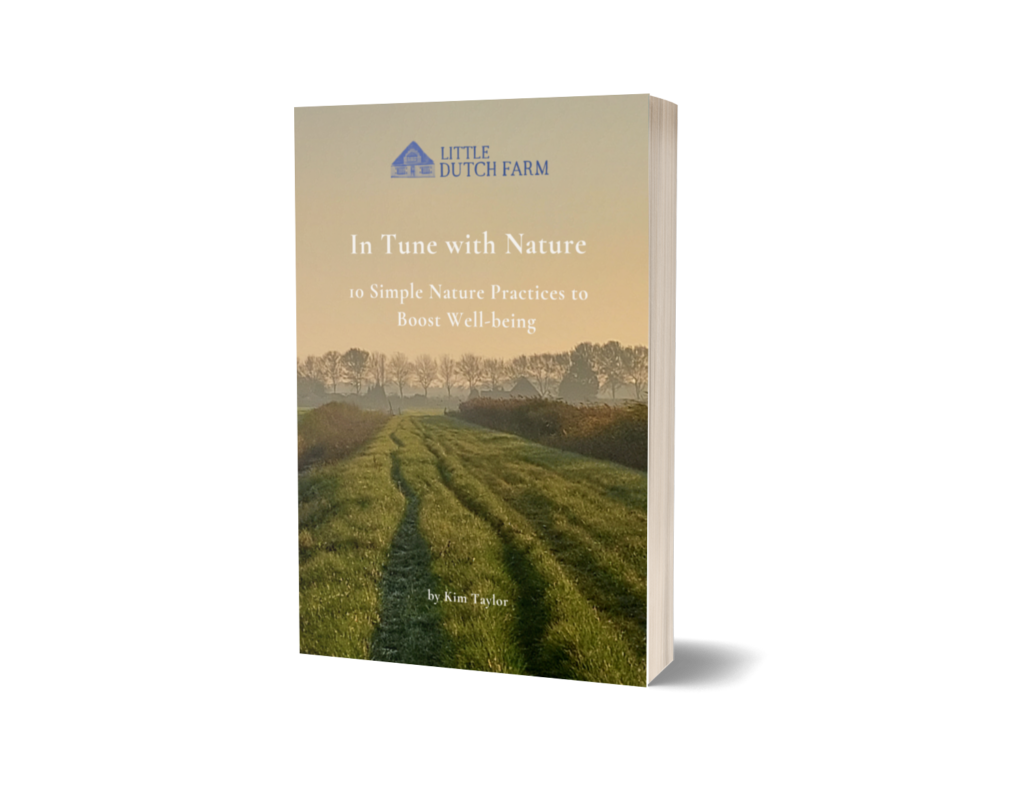
If you’d like a place to start, I’ve put together a free ebook, ten simple nature practices to boost your wellbeing. Small, doable things you can bring into your week starting today. You can download it through the link below.
My own way back
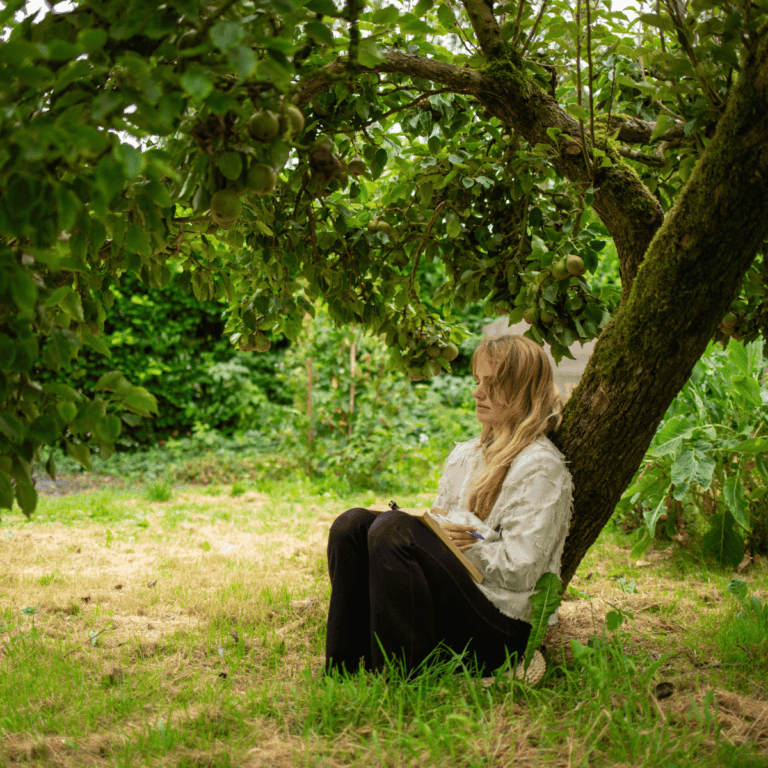
After nineteen years leading in high pressure, fast growing environments, I burned out. In the thick of it, I started spending time in the garden. Not with any plan, just because it was quiet and it asked nothing of me. And something happened there that I found fascinating. Slowly, my creativity came back. My passion for things, for life, for simply being curious again, started returning too. Things I hadn’t felt in a long time, and honestly hadn’t expected to find kneeling in a vegetable patch.
That surprised me enough to start digging into why. Which led me back to Scotland, where I’m from, and to programs I found there of GPs and psychologists prescribing time in nature for depression and stress, not as an alternative therapy on the side, but as part of the actual treatment plan financed by the NHS. Reading about that changed something in me. If this could be prescribed, there was real science behind what I was feeling in the garden.
That discovery sent me back to studying, retraining, learning everything I could about nature coaching and garden therapy. It’s what eventually led me to open Little Dutch Farm, so I could offer other people the same way back that I’d stumbled into myself.
What we’re building with gemeente Hoorn
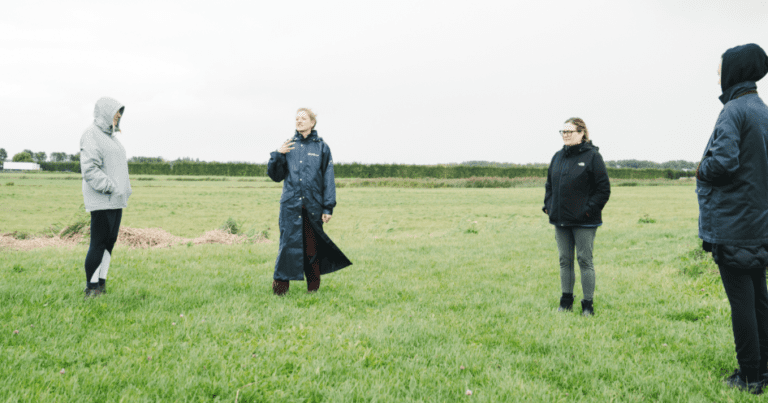
Last month we launched a pilot with gemeente Hoorn offering free garden therapy to people with stress. Twelve spots. They filled almost immediately.
What’s happening in those sessions is incredibly moving. People arriving anxious and closed off, and week by week, opening and connecting deeply with themselves and with each other. Sleeping better. Feeling steadier in their own bodies. Learning to let nature regulate them. Some have said it’s the first time in a long while they’ve felt like themselves again.
From September, twelve more free spots will open up.
We’re gathering and measuring the outcomes of this work with the VU Amsterdam so we can build a proper evidence base here in the Netherlands. The goal is bigger than one pilot. If we can show, with solid Dutch data, that garden therapy meaningfully supports recovery, there’s a real path toward this becoming something insurance companies cover.
Because right now, too many people fall into a painful gap. If people can’t afford it themselves, their employer won’t cover it, and insurance doesn’t reach this kind of care yet then this sort of treatment is not available to everybody outside of this free pilot.
I believe nature based therapies can play a real role in easing the pressure on the GGZ, and can be a meaningful path for people who aren’t looking for, or don’t need, a psychologist. But belief needs evidence behind it. That’s why more trials like this one are needed across the Netherlands, and why I’m grateful to be building this one.
If this resonates with you, whether you’re curious about garden therapy for yourself, your colleagues, I’d love to hear from you.
Download the free ebook, ten simple nature practices to boost your wellbeing, here.
With soil under my nails and gratitude in my heart,
Kim